Tower rush, built right
A construction journal and concept studio about tall buildings and the craft of raising them fast without cutting corners. Rush the planning, never the concrete.
Read the methodSee the resort concept
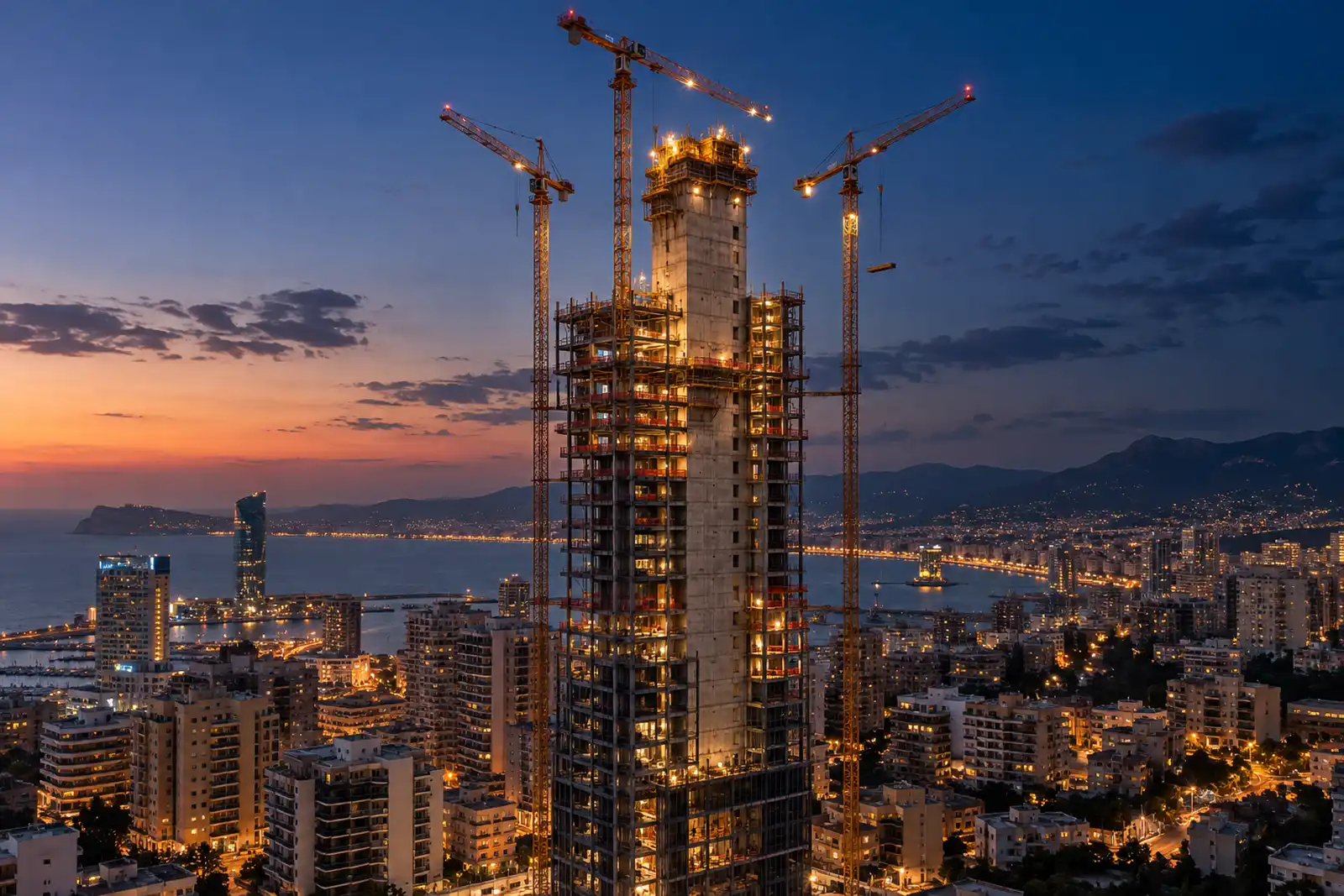
A concrete high-rise under construction at dusk, its core rising above the frame with three tower cranes at the top. AI-generated concept visualisation
The Tower rush method, floor by floor
A tower rush is the moment a high-rise starts climbing one floor after another in a steady rhythm. Getting there takes months of quiet preparation. These are the six levels we think in.
- L01
Ground truth
Surveys, soil and access come first. A tower that climbs fast is one whose crane bases, deliveries and pump positions were fixed before the first pile.
- L02
Foundations
Piles and the raft are the slowest part of the job and the one that cannot be rushed. Everything above depends on their tolerances.
- L03
Core first
The concrete core leads the building, climbing on its own formwork a few levels ahead of the slabs and giving the frame something to hold on to.
- L04
The floor cycle
Once the core is ahead, the frame follows in a repeating cycle: strike, lift, fix, pour, check. This rhythm is the real tower rush.
- L05
Envelope
Facade units close the building a few floors behind the frame, so finishing trades can start inside while the top is still rising.
- L06
Fit-out and handover
Services, interiors and testing turn a structure into a building. A calm finish is the reward for a well-planned rush.
The Tower rush glossary
The words you hear on a high-rise site, explained in one breath each.
- Core
- The concrete walls around lifts and stairs that act as the backbone of the tower and carry much of the sideways load.
- Self-climbing formwork
- Wall forms and working platforms that lift themselves up the core on hydraulic jacks after each pour, with no crane needed.
- Floor cycle
- The repeating sequence that builds one level of the frame: strike, lift, fix, pour, check. Its length sets the pace of the tower rush.
- Core lead
- How many levels the core is ahead of the floor slabs. Enough lead keeps the two crews from waiting for each other.
- Slab
- The horizontal concrete floor plate, cast on formwork or assembled from precast units, tied into the core and the columns.
- Hoist
- A rack-and-pinion lift on the outside of the building for people and small materials, keeping them off the crane hook.
- Laydown area
- Ground set aside for storing and sorting materials before they are lifted. On tight city sites it can be almost nothing.
- Tolerance
- The small deviation a part is allowed from its drawn position. Over many floors, tiny errors add up, so tolerances are checked every level.
A concept for a land-based casino resort
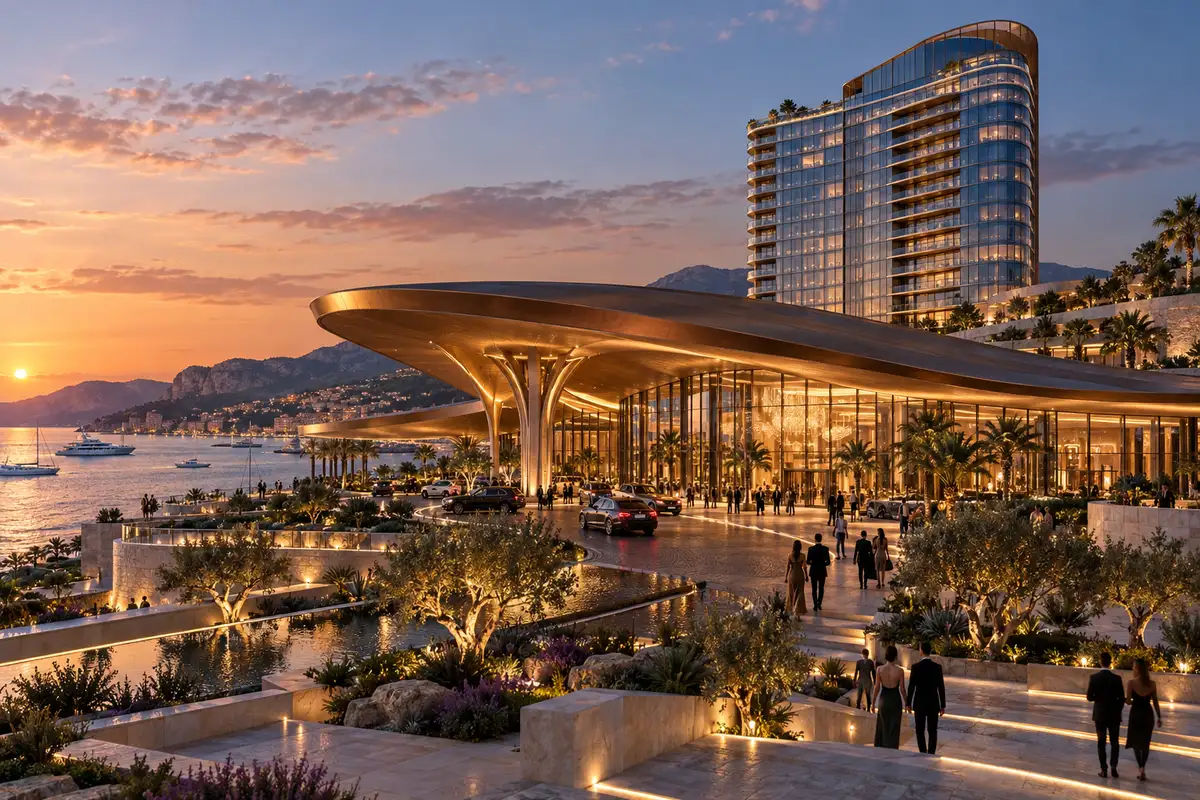
Our largest concept so far pairs a hotel tower with a low waterfront pavilion holding a main hall, a theatre and restaurants. It is a study in two speeds: the tower climbs in a classic tower rush while the long-span roof is built in one careful lift.
It is a concept, not a built project: a way to show how we would plan, phase and engineer a building of this kind.
Concept projects
- Concept projectHarbour TowerA concept for a slender residential tower above a Mediterranean harbour, designed around its own tower rush: a core that climbs first and a frame that follows in a repeating weekly cycle.
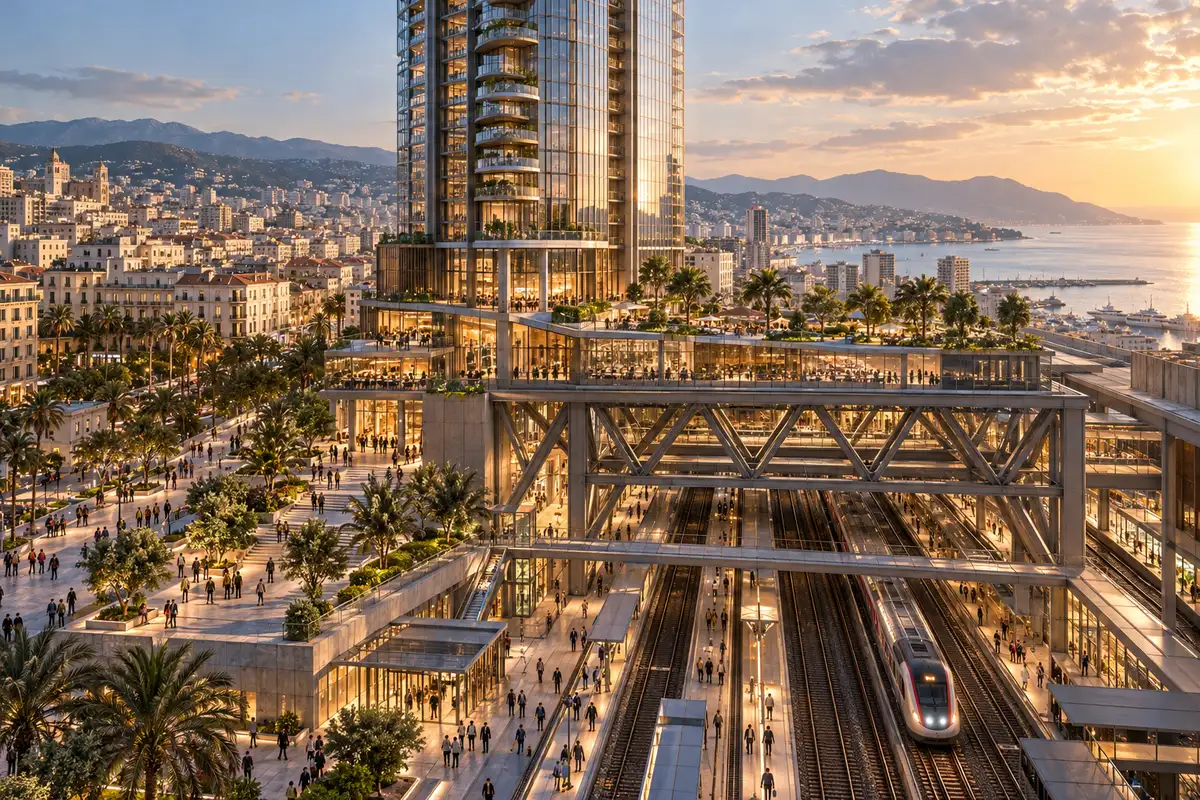 Concept projectStation Quarter TowerA concept for a mixed-use tower built over a working rail station, carried on a transfer structure so the trains never stop while the tower rush goes on above them.
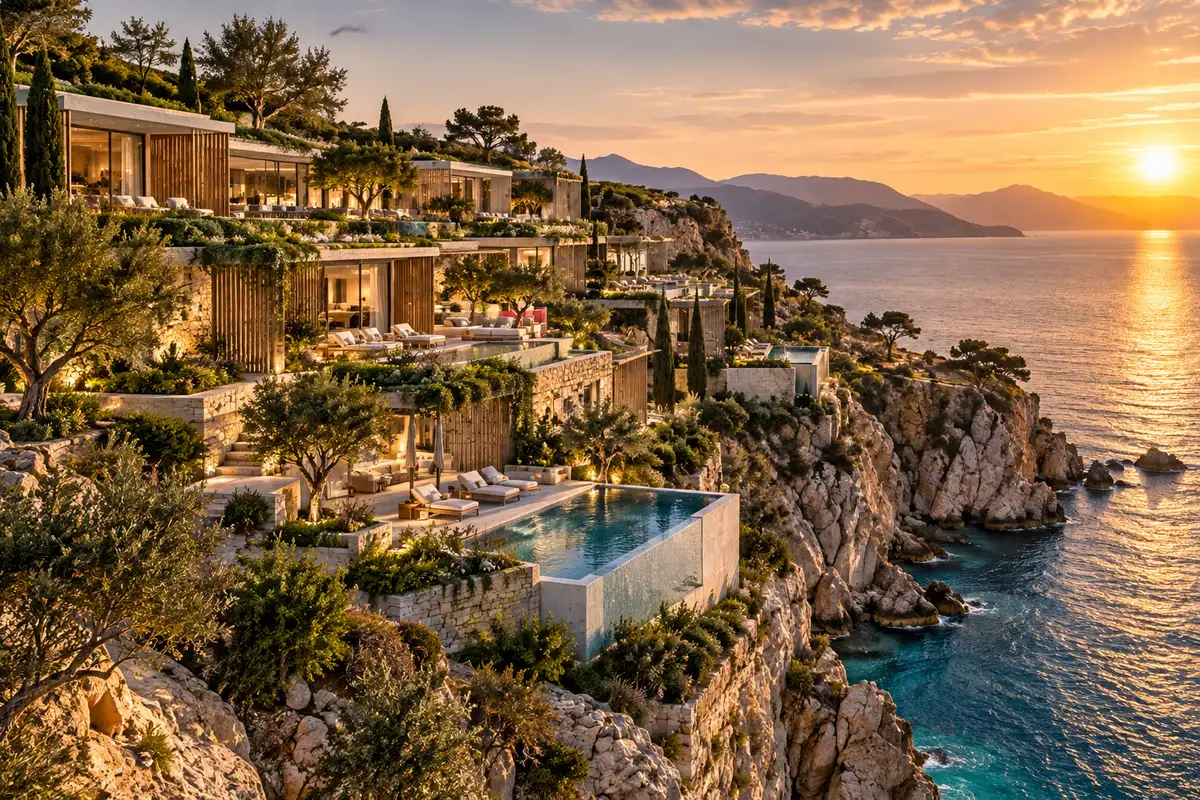 Concept projectCliffside spa hotelA concept for a low spa hotel that steps down a sea cliff in planted terraces: the opposite of a tower rush, built slowly into the rock.
From the journal
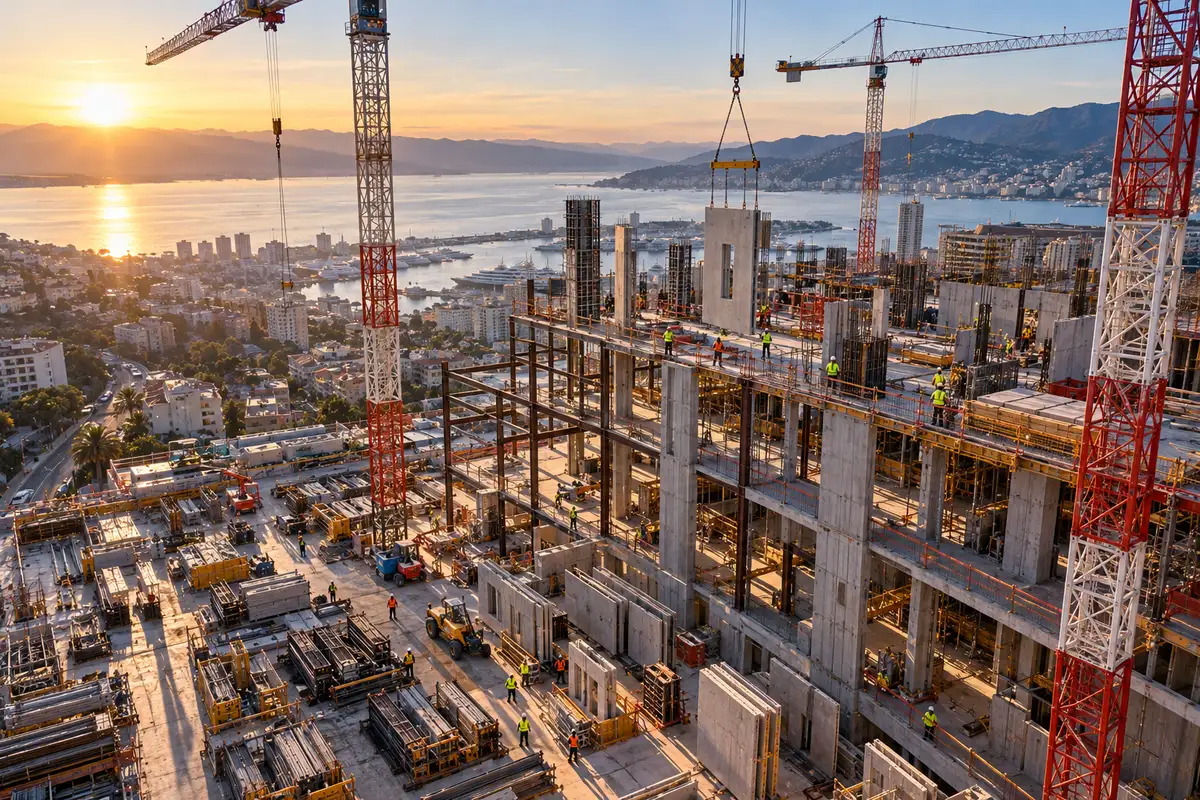 Tower rush notesWhat a tower rush really meansWhy the fastest part of a high-rise is the part you hardly notice, and where the real time is won or lost.
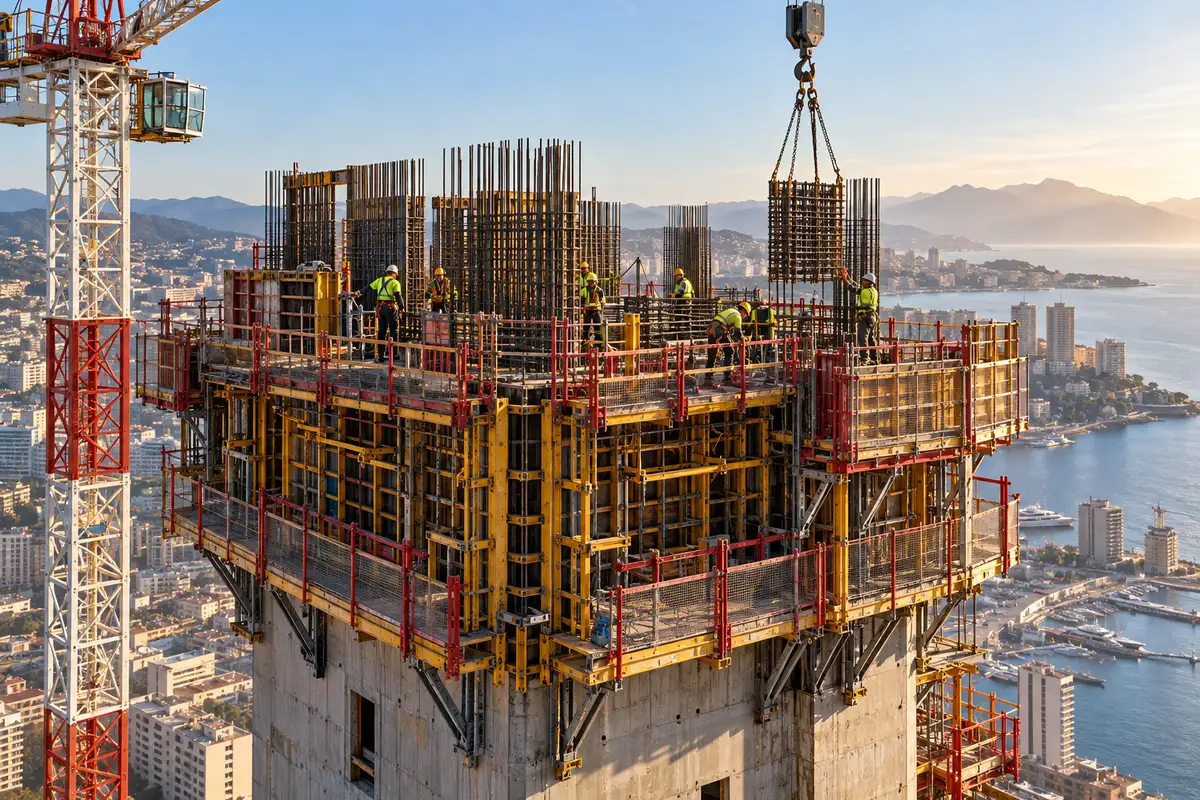 MethodsSelf-climbing formwork, explainedHow a tower's concrete core climbs on its own, floor after floor, and why it leads the rest of the building.
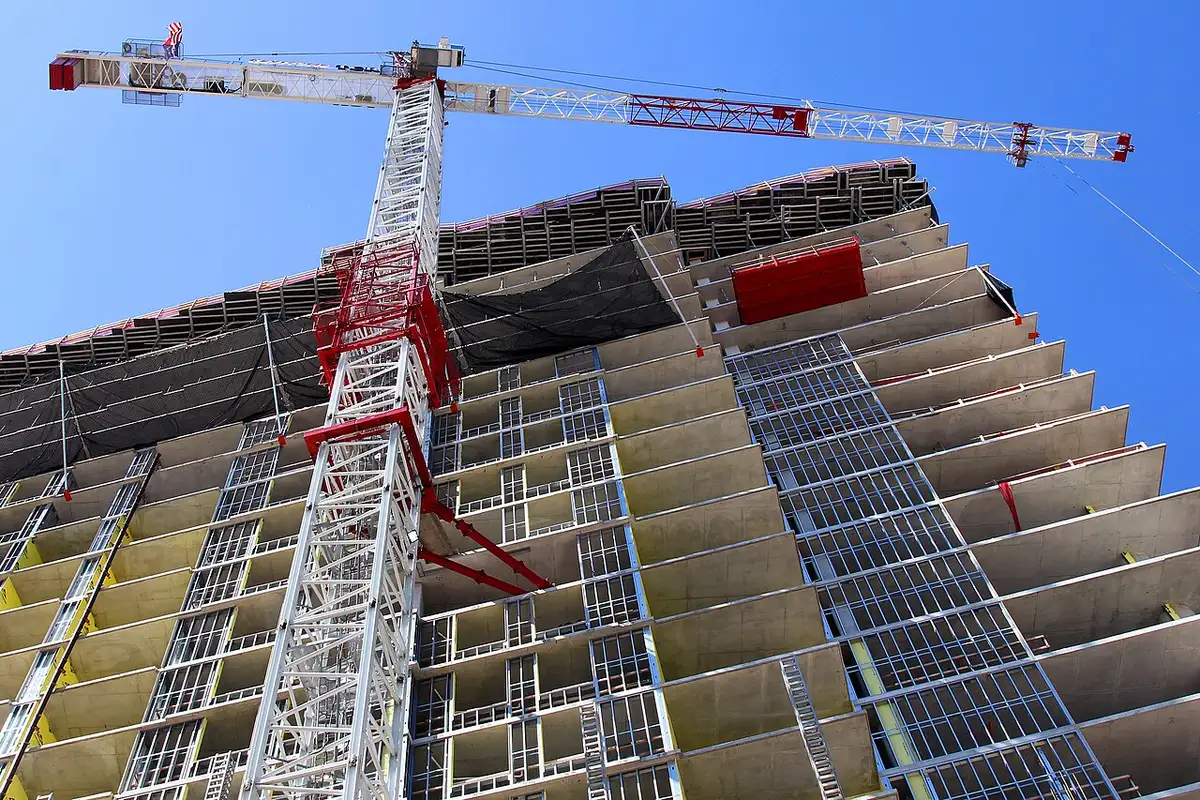 LogisticsCranes, hoists and the logistics of heightA tower rush is only as fast as the hook. How lifting, deliveries and storage are planned on tight high-rise sites.
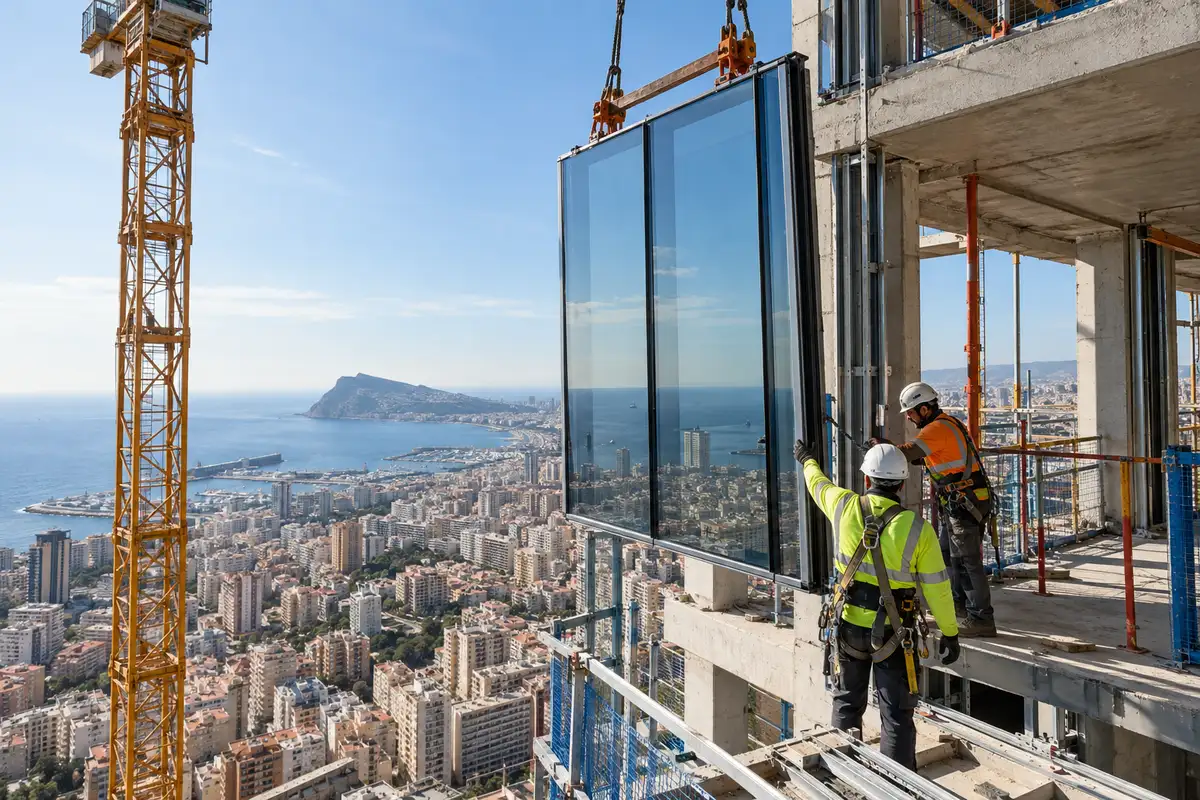 EnvelopeFacades that arrive by lorryHow unitised curtain walls close a tower a few floors behind the frame, and why the facade is planned as carefully as the structure.
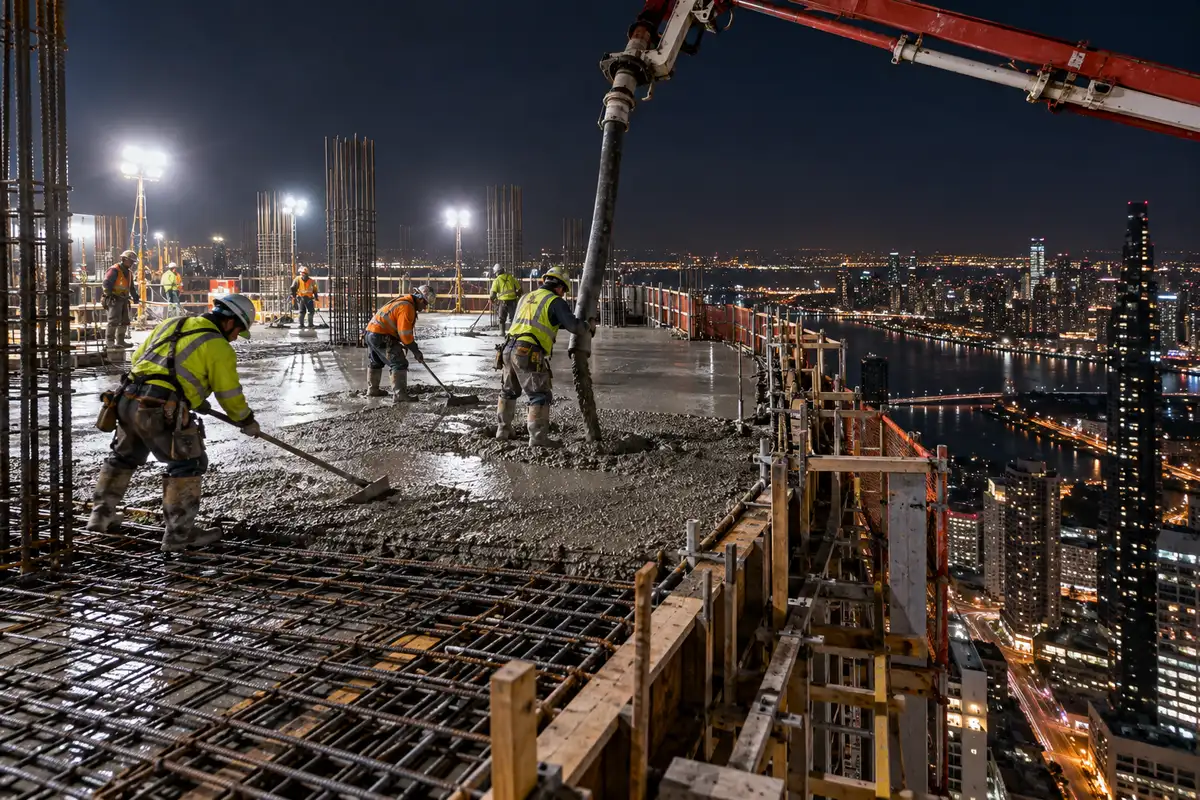 MethodsPouring at heightConcrete pumps, night pours and the checks that decide when a new floor is strong enough to carry the next one.
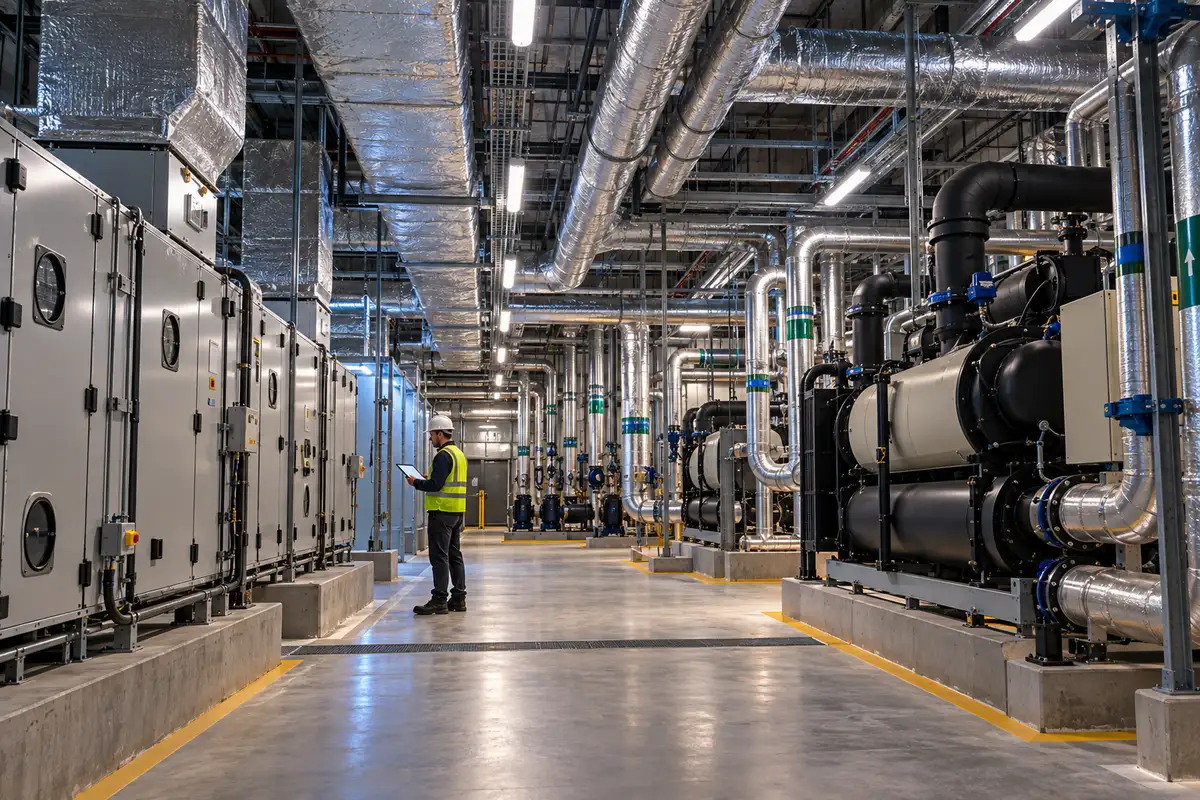 EngineeringEngineering for venues that never closeHotels, theatres and resort venues that run late every day place unusual demands on building services. How we plan for them.
Questions people ask about building tall
How fast can a tower actually go up?
It depends on the design, the climate and the crew. Once the frame is under way, many concrete towers settle into a new floor every few days to a week. The months before that, spent on foundations and preparation, matter just as much.
Why does the core go first?
The core is the stiffest part of the building. Building it a few levels ahead gives the floors something stable to tie into, moves the lift and stair shafts up early and separates the core crew from the frame crew.
Is building fast less safe?
Not if the speed comes from planning. A good tower rush is fast because the work repeats and the logistics are booked in advance. What must never be rushed are concrete strength checks, temporary works checks and weather limits for lifting.
What is a concept project on this site?
A worked example of how we would plan and phase a building, with drawings and visualisations. Concepts are not completed buildings, offers or designs for a real site, and the images marked as AI-generated do not show existing places.
What makes a casino resort different to build?
Venues of this kind run late every day, so security routes, acoustics, fire strategy for large halls and long-running air systems are planned from the first sketch. Our casino resort concept walks through these choices in detail.